








9 Erogenous Zones You're Probably Ignoring (According to Science)

This content is for informational purposes only and does not constitute medical advice. Consult a healthcare professional for personal guidance.
Key Takeaways
- The body has erogenous zones far beyond the three most people focus on (genitals, breasts, lips)
- Neuroscience has mapped at least 9 major erogenous zones with high nerve density and arousal potential
- Erogenous zones are not universal. Individual variation means the only reliable map is feedback from your partner
- Non-genital stimulation can significantly enhance arousal and build anticipation
- Exploring the full body is an investment in better, more connected intimacy
Most intimate encounters follow a predictable geography: lips, breasts, genitals, done. This is the equivalent of visiting a country and only seeing the airport. Technically, you have been there, but you have missed everything interesting.
The human body is mapped with erogenous zones: areas with heightened nerve density that, when stimulated, can produce arousal, pleasure, and in some cases, orgasm. Neuroscience has identified at least nine major zones beyond the obvious three, each with its own sensory characteristics and response patterns. Ignoring them means settling for a fraction of what your body (or your partner's body) is capable of experiencing.
The Science of Erogenous Zones
An erogenous zone is any area of the body with heightened sensitivity that can trigger sexual arousal when stimulated. The sensitivity comes from high concentrations of nerve endings: particularly Meissner's corpuscles (which detect light touch), Pacinian corpuscles (which detect pressure and vibration), and free nerve endings (which detect temperature and pain).
A 2014 study published in Cortex mapped erogenous zones across 800 participants and found that while some zones are nearly universal, individual variation is enormous. What is intensely pleasurable for one person may be neutral or even ticklish for another. The study confirmed that erogenous zones are not fixed by biology alone. They are shaped by personal experience, hormonal state, and psychological context.
9 Erogenous Zones You Are Probably Ignoring
1. The Nape of the Neck
The back of the neck, where the hairline meets the skin, is densely innervated and rarely touched outside intimate contexts. Light kisses, warm breath, or gentle fingertip tracing here activate the cervical nerve plexus, a network of nerves that send signals directly to the brain's arousal centres. The combination of sensitivity and vulnerability (you cannot see what is happening behind your neck) creates a uniquely charged sensation.
2. The Inner Wrists
The skin on the inner wrist is thin, with blood vessels close to the surface and a concentration of nerve endings that makes it remarkably responsive to light touch. Gentle kissing or slow fingertip circles on the inner wrist produce a surprisingly intimate sensation, partly because the wrist is not typically touched with care, making the attention feel deliberately tender.
3. The Lower Back (Sacral Region)
The sacrum, the triangular bone at the base of the spine, sits directly above the nerve plexus that serves the genitals. Firm massage or sustained pressure on the lower back can create a radiating warmth that many people describe as deeply arousing. The sacral nerves (S2-S4) directly connect to genital sensation, which is why lower back stimulation can feel unexpectedly sexual.
4. Behind the Ears
The skin behind the ear is thin and sensitive, and the area is rich in nerve endings. Gentle kisses, light nibbling on the earlobe, or warm whispered words activate both touch and auditory pathways simultaneously, a combination that the brain processes as intensely intimate.
5. The Inner Thighs
The inner thigh skin is thin and loaded with nerve endings, and its proximity to the genitals creates powerful anticipatory arousal. Slow, deliberate touch moving from the knee upward, stopping just before reaching the most sensitive areas, creates an almost unbearable tension that amplifies whatever follows.
6. The Feet
The soles of the feet contain a dense concentration of nerve endings, approximately 200,000 per sole. While many people are ticklish here (ticklishness and arousal activate similar neural pathways), firm foot massage can bypass the tickle response and access the pleasure pathways underneath. Reflexology traditions have long associated specific foot areas with sexual arousal.
7. The Scalp
Scalp massage is one of the most universally pleasurable sensations, the scalp contains dense nerve networks that respond powerfully to pressure and movement. Having someone run their fingers through your hair or massage your scalp triggers deep relaxation alongside sensory pleasure, creating an ideal neurological state for arousal to build.
8. The Hip Bones
The pelvic bone protrusions (iliac crests), commonly called the hip bones, are a surprisingly sensitive area. Light tracing along the hip bone from the waist toward the centre creates anticipation and directs attention to the pelvic region. The skin here is sensitive because it is rarely stimulated, making any deliberate touch register as novel and charged.
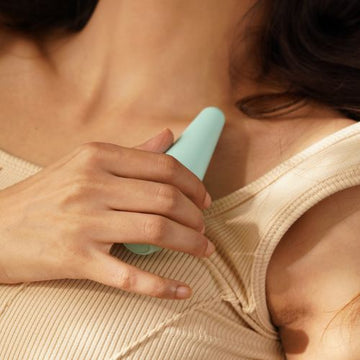
9. The Collarbone
The clavicle area has thin skin stretched over bone, creating a surface that is responsive to light kisses, gentle biting, and temperature play. The collarbone also frames a visually intimate area of the body. Exposed collarbones are often perceived as attractive, and touching them feels like accessing a slightly forbidden zone even in the context of established intimacy.
Why Non-Genital Stimulation Matters
Focusing exclusively on genitals is like going straight to dessert without the meal, technically satisfying, but missing the depth that a full experience provides. Non-genital erogenous zone stimulation:
- Builds arousal gradually, which produces stronger eventual orgasms
- Creates full-body sensation rather than localised stimulation
- Deepens emotional connection: touching someone's nape or inner wrist communicates care and attention
- Reduces performance pressure by removing the goal-oriented focus that can cause anxiety
Frequently asked questions
Are erogenous zones the same for everyone?
No. While some zones (genitals, nipples, lips) are nearly universal, individual sensitivity varies enormously. The only reliable way to map someone's erogenous zones is to explore their body with their guidance. Ask, listen, and pay attention to their responses.
Can erogenous zones change over time?
Yes. Hormonal changes (menstrual cycle, pregnancy, menopause, aging), psychological state, and even regular stimulation can alter sensitivity. An area that was neutral may become responsive with attention, and areas that were once highly sensitive may change. Regular exploration accounts for these shifts.
What if I am ticklish in an erogenous zone?
Ticklishness and arousal are mediated by similar neural pathways. The difference is often the type of touch: light, unpredictable touch triggers tickling, while firm, deliberate touch accesses the pleasure response beneath it. If an area is ticklish, try applying firmer, slower pressure. You may find the tickle response gives way to something much more pleasant.
Do men have the same erogenous zones as women?
The major non-genital erogenous zones (neck, ears, inner thighs, lower back, scalp) are largely shared across genders. The primary anatomical differences are in genital erogenous zones. Cultural conditioning often prevents men from exploring or acknowledging non-genital sensitivity, which means many men have undiscovered erogenous zones simply because nobody, including themselves, has explored beyond the obvious.
How do I explore my partner's erogenous zones without it being awkward?
Frame it as an experiment: "I want to explore every part of you. Tell me what feels good." Use a massage as a starting framework, then extend the touch to less typical areas. Check in frequently: "How does this feel?" The conversation itself is intimate and builds trust. Most partners are deeply appreciative of the attention and curiosity.
- Trusted by 3.75L+ Readers
- Expert-Backed Guidance
Designed for Real Bodies
From massage oils to personal massagers, MyMuse makes products for people who believe every sensation deserves attention.
Explore the RangeLast updated: April 2026