




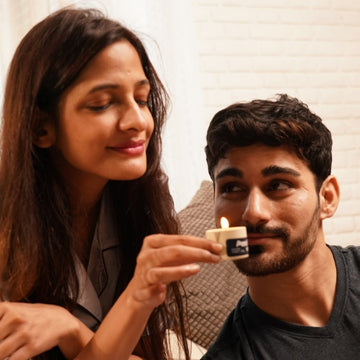






Here's something most people don't talk about: the best part of intimacy often happens before anything "major" even begins. That slow build, the teasing touches, the anticipation that makes your heart race. That's foreplay doing its job. And yet, so many of us support it like the opening credits we skip to get to the main feature.
The truth? Foreplay isn't just a warm-up act. It's where connection deepens, where bodies actually get ready for pleasure, and where you discover what makes your partner (or yourself) come alive. Research shows that couples who spend more time on foreplay report higher satisfaction and stronger emotional bonds. But here's the real kicker: most of us learned about intimacy from sources that never bothered teaching us how to actually build desire.
Whether you're in a long-term relationship looking to shake things up, exploring intimacy for the first time, or simply curious about what you've been missing, understanding the different types of foreplay can completely transform your experience. Because when you know what tools are in your toolkit, intimacy stops feeling like guesswork and starts feeling like discovery.
Key Takeaways
- Foreplay isn't optional. It's essential for physical readiness, emotional connection, and better pleasure for all bodies
- There are six main types: physical touch, verbal/audio, visual, emotional, playful, and sensory, and you can mix them
- Women's bodies typically need 20+ minutes of arousal for full physical readiness, while men average 10 minutes
- The best foreplay matches your partner's specific turn-ons, not a generic script. Communication is everything
- Adding tools like couples massagers can enhance physical foreplay without replacing connection
Why Foreplay Actually Matters (And It's Not What You Think)
Let's get something straight: foreplay isn't just "being nice" or "taking your time." It's biology. When arousal builds gradually, your body undergoes specific changes that make pleasure possible and pain-free. Blood flow increases to intimate areas, natural lubrication develops, muscles relax, and nerve endings become more responsive.
For people with vulvas, this process takes time, usually 20 to 30 minutes on average, though everyone's different. Rush through it, and you're not just skipping to the "good part." You're attempting intimacy before the body is actually ready, which often leads to discomfort, disconnection, or just... meh experiences.
But there's another reason foreplay matters that goes beyond anatomy. Therapists who specialize in intimacy consistently note that foreplay is where emotional safety gets established. It's where you communicate (sometimes without words) that you're present, paying attention, and genuinely interested in your partner's pleasure. That psychological component? It's just as powerful as the physical one.
The Six Types of Foreplay (And How to Use Each One)
1. Physical Touch Foreplay
This is what most people picture when they hear "foreplay": hands, lips, and bodies making contact. But good physical foreplay isn't about immediately touching the "obvious" spots. It's about building sensation slowly, layer by layer.
Start with areas that have high nerve density but lower sexual association: the nape of the neck, inner wrists, lower back, behind the ears, inner thighs. These zones wake up the nervous system without triggering the pressure of expectation. Vary your touch: fingertips, palms, nails gently dragging, warm breath, cool fingers. Temperature changes and pressure variations keep the brain engaged and guessing.
Massage is incredibly underrated as foreplay. Taking time to genuinely relax your partner's body, shoulders, feet, scalp, signals that this experience is about their pleasure, not a race to completion. For couples exploring this together, something like a wand massager can add new dimensions to touch-based foreplay. The broad, powerful vibrations work beautifully for shoulder tension or thigh muscles, and if things progress naturally, you've already established a rhythm of focused attention on pleasure.
2. Verbal and Audio Foreplay
Your voice is an intimacy tool you carry everywhere. Verbal foreplay ranges from the explicit (describing what you want to do or what you're imagining) to the suggestive (compliments that make someone feel desired) to the emotional (expressing what this person means to you).
The magic is in specificity. "You're so hot" is fine. "The way you bit your lip just now made me forget what I was saying" is memorable. "I haven't stopped thinking about last Tuesday" creates anticipation for the next encounter.
Don't underestimate sounds either: sighs, moans, sharp intakes of breath. They provide real-time feedback about what's working, which helps your partner feel confident and connected. Silence during intimacy often creates anxiety ("Am I doing this right? Are they into this?"). Authentic responses dissolve that completely.
3. Visual Foreplay
Humans are visual creatures, and anticipation starts with what we see. This doesn't mean you need lingerie (though if that makes you feel confident, go for it). Visual foreplay is about intentional revealing: a shoulder strap sliding down, maintaining eye contact while undressing, dimmed lighting that creates mystery.
Context matters here, especially in India where many couples are navigating intimacy away from joint families or in limited privacy. Sometimes visual foreplay is a look across a crowded room that says "later." Sometimes it's a photo sent during the day (if both partners are comfortable and the relationship has established trust and consent around digital content). The anticipation you build hours before you're together can be just as powerful as what happens in the moment.
4. Emotional Foreplay
This one starts long before the bedroom. Emotional foreplay is feeling truly seen, appreciated, and safe with someone. It's when your partner does something thoughtful without being asked. It's a conversation where you both laugh until you can't breathe. It's knowing you can be vulnerable and won't be judged.
Researchers consistently find that for many people, particularly (but not exclusively) women, emotional connection directly influences physical desire. Feeling appreciated, understood, and emotionally close makes the body more receptive to arousal. Conversely, unresolved conflict, feeling taken for granted, or emotional distance can shut down physical desire completely, regardless of technique.
This explains why "choreplay" (the idea that sharing household responsibilities increases desire) isn't about doing dishes for sex. It's about partnership and consideration creating the emotional conditions where desire can actually flourish.
5. Playful and Teasing Foreplay
Laughter and desire aren't opposites. They're often partners. Playful foreplay removes performance pressure and creates a sense of adventure. This might look like games (strip poker, dice that assign different touches), light teasing (getting close then pulling back), or just being silly together without worrying about looking "attractive."
Teasing specifically builds anticipation through delay. Coming close to an intimate touch, then moving away. Whispering something suggestive, then changing the subject. The psychological tension this creates makes eventual touch more intense when it finally arrives.
6. Sensory Foreplay (Beyond Touch)
Your non-touch senses, smell, taste, sound, are direct highways to the brain's pleasure centers. Sensory foreplay engages these deliberately:
- Scent: Pheromones are real, but so is the association between specific smells and memory. A particular perfume or cologne can become intimately linked with pleasure.
- Taste: Feeding each other, sharing wine, or incorporating food into intimacy (nothing too sticky or sugary near intimate areas) engages yet another sense.
- Sound: Music that you both find arousing, or even just interesting sounds (rain, a playlist you both love) creates atmosphere.
- Temperature: Ice cubes, warm oil, even just the contrast between cool air and warm skin adds dimension.
Quick Take
The most effective foreplay combines multiple types based on what you and your partner specifically respond to. Someone might be highly responsive to verbal foreplay but relatively neutral about visual cues. Another person might need emotional connection before physical touch feels appealing. The goal isn't mastering all six types. It's discovering which combinations unlock genuine desire for the specific people involved.
How Long Should Foreplay Actually Last?
There's no universal timer, but research provides helpful benchmarks. Studies on arousal patterns show that people with vulvas typically need 20-30 minutes of stimulation for full physiological arousal (though psychological arousal might happen faster or slower). People with penises average around 10 minutes, though this varies wildly.
But here's what matters more than the clock: foreplay should last until everyone involved is genuinely aroused, not just "ready enough." You'll know the difference. "Ready enough" is going through the motions. Genuine arousal is when anticipation itself feels good, when you're fully present in your body, when what comes next feels like a natural progression rather than a scheduled event.
That said, context matters. A quickie before work isn't going to have the same lead-up as a leisurely weekend morning. What's important is that "quick" intimacy isn't the only intimacy. Your relationship needs both spontaneous moments and unhurried time to explore properly.
Common Foreplay Mistakes (And How to Avoid Them)
Even with the best intentions, certain patterns can undermine foreplay's effectiveness:
Following the same script every time. Predictability kills anticipation. If your partner always knows exactly what's coming next, the element of surprise disappears. Vary the order, try different locations, change the pace.
Making it transactional. "I did foreplay, now we do the real thing" treats it like a checkbox. Foreplay isn't a favor you're doing. It's part of intimacy, not separate from it. Sometimes foreplay is the entire experience, ending there without proceeding further, and that's completely valid.
Ignoring feedback. Your partner's body (and hopefully their words) constantly provides information about what's working. If they're tensing up, pulling away, or going quiet, that's data. If they're leaning in, making sounds, or asking for more, that's also data. Foreplay requires paying attention, not following a memorized technique.
Rushing the beginning. Going from fully clothed to intimate touch in 30 seconds doesn't give the brain time to transition. Even spending two minutes kissing, or just being close while talking, helps shift both people into a more receptive state.
Skipping it entirely when you're "too tired." Ironically, when couples are stressed or exhausted, the times when they most skip foreplay, are often when they need it most. The connection and presence that good foreplay creates can be genuinely restorative, even when you're not feeling particularly "in the mood" initially. (Obviously, never pressure anyone who genuinely doesn't want intimacy. But don't assume desire needs to be fully present before you begin: responsive desire, which awakens through connection, is incredibly common.)
Making Foreplay Work in Real Life (India-Specific Context)
Let's acknowledge the elephant in the room: many couples in India are navigating intimacy under less-than-ideal circumstances. Joint families, thin walls, limited privacy, and cultural conditioning that treats desire as something shameful all create real barriers to relaxed, unhurried foreplay.
Some practical adaptations:
Use time, not just location. If privacy is limited, early mornings or late nights might offer windows when the household is asleep. Locking doors (if possible) and background noise (music, a fan) provide psychological safety even when physical privacy is imperfect.
Foreplay doesn't always have to be physical. Building anticipation through messages during the day, meaningful eye contact, or small gestures of affection can lay groundwork that makes physical time together more immediately connected.
Quality over duration. If you realistically have 15 minutes, make them count. Focused attention during a shorter window beats distracted, anxious "foreplay" where you're both listening for footsteps.
Create rituals. Small actions that signal "this is our time" help both partners mentally transition: lighting a candle, putting phones away, a specific playlist. These cues tell your brain to shift into presence.
And if you're exploring tools to enhance intimacy, remember that discreet shopping and packaging matter. Brands like MyMuse exist specifically because people deserve to explore their intimate wellness privately, without judgment, in packaging that respects your need for discretion.
Bringing It All Together
Foreplay isn't a skill you master once and check off your list. It's an ongoing conversation between bodies, changing with mood, context, relationship stage, and what you're both discovering about desire. What worked last month might need adjustment this month. What your partner loved in one relationship might not translate to this one.
The best approach? Support foreplay like exploration rather than performance. Ask questions, notice responses, stay curious about what creates pleasure. "Did you like when I..." is one of the sexiest things you can ask, because it shows you care more about your partner's actual experience than proving your technique.
Start small if this feels overwhelming. Pick one type of foreplay you haven't tried much, maybe verbal, if you've been quiet during intimacy, or sensory, if you typically stick to basic touch, and experiment with it. Notice what happens. Adjust based on what you learn.
The goal isn't becoming some kind of foreplay expert. It's creating intimate experiences where both people feel genuinely present, connected, and alive in their bodies. Where pleasure isn't rushed or performative but unfolds naturally, layer by layer. Where anticipation itself becomes part of the joy.
Ready to Enhance Your Intimate Connection?
Explore body-safe tools designed to deepen pleasure and intimacy, with 100% discreet delivery and packaging you can trust.
Explore the RangeFrequently Asked Questions
How do I know if I'm doing foreplay right?
The best indicator is your partner's response, both their body language and their words. Are they leaning into touch or pulling away? Making sounds of pleasure or going quiet? Maintaining eye contact or seeming distracted? Physical signs include faster breathing, flushed skin, dilated pupils, and responsiveness to touch. But honestly? Just ask. "Does this feel good?" or "Should I keep doing this or try something else?" removes guesswork and shows you're focused on their pleasure, which is incredibly attractive in itself.
What if my partner and I have different ideas about how much foreplay we need?
This is incredibly common and completely manageable with communication. The partner who needs more foreplay should feel comfortable expressing that without shame ("I really need more time to get fully aroused, can we spend longer on..."), while the partner who gets aroused faster can explore how to stay engaged during that extended period. Sometimes this means alternating focus (spending time on the partner who needs more buildup, while the quicker-to-arouse partner enjoys giving pleasure and building anticipation). The key is framing it as "here's what my body needs" rather than "you're doing it wrong."
Can you have too much foreplay?
Technically, yes: if arousal peaks and then starts declining, or if extended foreplay creates frustration rather than anticipation, you've passed the sweet spot. But this is rare. More commonly, what feels like "too much" is actually repetitive or unfocused foreplay. If you've been doing the same thing for 20 minutes without progressing or changing, that gets tedious. Good foreplay builds: it varies pace, explores different sensations, and responds to rising arousal. As long as you're both still genuinely engaged and pleasure is increasing, you're fine.
Is foreplay important even in long-term relationships?
Even more so, actually. Long-term couples often fall into efficient routines that skip the buildup, assuming they can get straight to the "main event" because they know each other's bodies. But desire in long-term relationships often needs more kindling, not less. Foreplay combats habituation (the tendency for familiar things to become less exciting) by introducing variation and renewed focus. It's also where you keep discovering each other. Bodies change, preferences evolve, and what worked five years ago might need updating. Couples who maintain robust foreplay typically report much higher ongoing satisfaction.
How do I introduce new types of foreplay without making it weird?
Start with low-pressure moments outside the bedroom. "I read something interesting about different kinds of foreplay, have you ever tried [specific thing]?" makes it a conversation, not a demand. You can also introduce new elements gradually during intimacy. Add in a new kind of touch, a different sensory element, or verbal components if you've been quiet. If your partner responds positively, you can build on it. If they seem neutral or uncomfortable, you can ask later "Was that okay? Should we try that again or try something different?" The key is making exploration collaborative rather than surprising your partner with something completely unexpected in the moment.
- 100% Body-Safe Materials
- Discreet Packaging & Billing
- Trusted by 3.75L+ Customers
- 100-Day Warranty