








Musings
A blog for people who love to love
The Complete Guide to Intimate Wellness
Expert-reviewed guides on products, health, relationships, and self-care written for India.
573 FREE GUIDES ACROSS 12 CATEGORIES
How-To Guides (85 guides)
Step-by-step instructions for using, choosing, and caring for intimate wellness products.
- How to Use a Personal Massager for the First Time
- How to Use an App-Controlled Massager
- How to Use a Suction Massager
- How to Travel with Intimate Products
- How to Buy Intimate Products Discreetly in India
- How to Use a Couples Massager Together
- How to Clean and Maintain Your Personal Massager
- How to Pick the Right Size Massager for You
Best Product Guides (82 guides)
Curated product recommendations for every need, budget, and experience level.
- Best Personal Massager for Men in India (2026)
- Best App-Controlled Massager in India (2026)
- Best Personal Massager for Women in India (2026)
- Best Water-Based Lubricant in India (2026)
- Best Vibrator for Long-Distance Couples in India (2026)
- Best Personal Massager for Solo Play in India (2026)
- Best Silicone Lubricant in India (2026)
- Best Massage Oil for Couples in India (2026)
Product Comparisons (37 guides)
Side-by-side comparisons to help you choose the right product for your needs.
- Edge vs Beat: Best Male Massager Compared
- Groove Plus vs Flick: Which MyMuse Massager Is Right for You?
- Dive vs Link: Best App-Controlled Massager Compared
- MyMuse vs Other Intimate Wellness Brands in India
- Internal vs External Massager: A Beginner's Guide
- Personal Massager vs Body Massager: What's the Difference?
- App-Controlled vs Manual Massager: Is the Upgrade Worth It?
- Suction Massager vs Vibrating Massager: How They Compare
Branded Product Guides (15 guides)
Detailed guides for specific MyMuse products — setup, features, and tips.
- How to Charge Every MyMuse Massager: Complete Guide
- How to Track Your MyMuse Order and Delivery
- MyMuse Beat: Complete Product Guide
- MyMuse Bluetooth Not Working? Quick Fix Guide
- MyMuse Bluetooth Troubleshooting: Fix Connection Issues
- MyMuse Breeze: Complete Product Guide
- MyMuse Dive: Complete Product Guide
- MyMuse Edge: Complete Product Guide
Editorial & Science (116 guides)
Science-backed articles, cultural commentary, trending topics, and lifestyle features.
- 12 Types of Kisses and What Each One Really Means
- How to Kiss Someone for the First Time Without Making It Weird
- How to Give a Hickey Without Leaving a Crime Scene on Their Neck
- Couples Who Watch Porn Together: Healthy or Harmful?
- How Dry January Affects Your Sex Life (Spoiler: It Gets Better)
- Why You're Attracted to How Someone Smells (The MHC Gene Theory)
- Why You Queef During Yoga (And Why Your Instructor Doesn't Care)
- Why Do We Close Our Eyes When We Kiss? The Neuroscience
Sexual Health (41 guides)
Evidence-based guides on sexual health, anatomy, and wellness — reviewed by experts.
- The Brutally Honest Guide to Condom Sizes in India
- STI Testing in India: Where to Go, What to Get, and How Often
- Period Sex: Is It Safe, Does It Hurt, and How to Make It Better
- Why You Feel So Different During Ovulation (Your Hormones Explained)
- The Complete Guide to Lubricant (Yes You Need One, No Matter What)
- Every Type of Condom Available in India (And How to Choose the Right One)
- The Male Contraceptive Pill Is Coming — Here's What Indian Men Should Know
- PCOS and Low Libido: The Connection Nobody Talks About
Relationships & Dating (24 guides)
Expert advice on communication, connection, dating, and building better relationships.
- Why Emotional Intimacy Matters More Than Physical (But You Need Both)
- 7 Cuddling Positions That Are Scientifically Proven to Reduce Stress
- Long-Distance Intimacy: 11 Ways to Stay Connected When You're Apart
- How to Write a Love Letter That Doesn't Sound Like a Greeting Card
- How to Set Boundaries With Indian In-Laws Around Your Intimate Life
- How to Talk About Sex With Your Partner Without It Getting Awkward
- Modern Relationship Milestones (That Have Nothing to Do With Marriage)
- How to Set Sexual Boundaries (Even If It Feels Selfish)
Indian Culture & Traditions (39 guides)
Exploring intimacy through the lens of Indian traditions, festivals, and modern life.
- The Kama Sutra Is Not a Sex Manual — The Real History Will Surprise You
- The First Kiss in an Arranged Marriage: Real Couples Share Their Stories
- A Modern Guide to Suhag Raat (That Doesn't Make You Cringe)
- The First Night Kit Every Indian Newlywed Actually Needs
- Intimacy in a Joint Family: The Unique Challenges Indian Couples Face
- How to Have The Talk With Indian Parents (Or At Least Try)
- Intimacy During Navratri: Unpacking the Taboo
- Why Sex After Marriage Gets Boring in India (And How to Fix It)
Myth-Busting (23 guides)
Debunking common myths and misconceptions about intimacy and sexual wellness.
- The Myth That Women Don't Watch Porn (Data Says Otherwise)
- Chocolate as an Aphrodisiac: What Science Actually Says
- 10 Masturbation Myths Indian Families Still Believe (Debunked)
- The Myth That Every Woman Should Have G-Spot Orgasms
- Ashwagandha, Shilajit, and Tiger Nuts: Indian Aphrodisiac Myths Tested
- Does Eating Pineapple Really Change How You Taste? (We Asked a Scientist)
- Having Sex Burns as Many Calories as Running? (Not Even Close)
- Using Two Condoms Is Safer Right? (Wrong — Here's Why)
Safety & Materials (16 guides)
Understanding body-safe materials, product safety, and ingredient transparency.
- Intimate Product Warranty Guide for India
- Understanding pH Balance in Lubricants
- Intimate Product Hygiene Myths vs Facts
- How to Identify Fake Intimate Products Online
- Is a Silicone Massager Body-Safe? What to Look For
- How to Dispose of Intimate Products Responsibly
- What Is Medical-Grade Silicone? A Complete Guide
- Rechargeable vs Disposable Batteries in Intimate Products
Collection Pages (25 guides)
Curated product collections organized by theme, use case, and audience.
- Massage Oils & Candles | Sensual Body Care
- Personal Massagers for Men | Designed for Him
- All Lubricants | Water-Based & Silicone
- Silicone Lubricants | Long-Lasting & Waterproof
- Personal Massagers for Beginners | Gentle & Easy to Use
- App-Controlled Massagers | Smart Intimate Tech
- Water-Based Lubricants | Safe & Compatible
- Personal Massagers Under Rs 3,000
City Guides (70 guides)
Where to buy intimate wellness products in major Indian cities — online and offline.
- Buy Personal Massager Online in Bangalore | Discreet Delivery
- Buy Personal Massager Online in Mumbai | Discreet Delivery
- Buy Lubricant Online in Ahmedabad | Discreet Delivery
- Buy Personal Massager Online in Lucknow | Discreet Delivery
- Buy Lubricant Online in Noida | Discreet Delivery
- Buy Personal Massager Online in Jaipur | Discreet Delivery
- Buy Lubricant Online in Bangalore | Discreet Delivery
- Buy Lubricant Online in Pune | Discreet Delivery
Guides



NEWSLETTER
Join Our Partay!
Caution: Not Your Regular Mailing List
Our newsletter gives personalised answers to your most personal q uestions, game-changing tips on how to get better in bed, plus exclusive discounts on our products.
Explore Our Products

Pulse Targeted Massager
A sleek, discreet full-body massager with a pointed tip & powerful vibrations
₹1899
↓ price dropped by ₹900
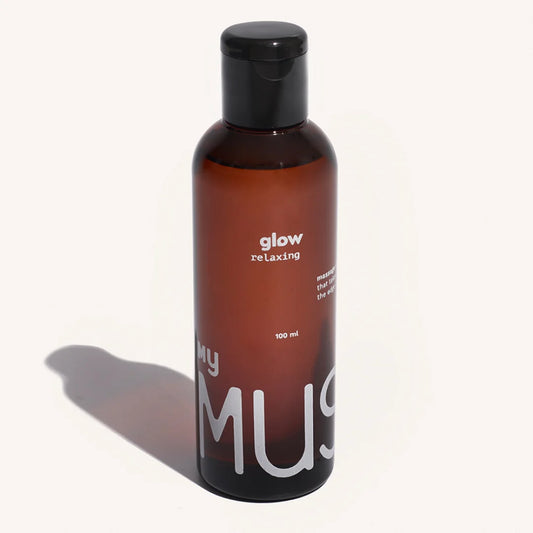
Glow Relaxing Sensual Massage Oil
A calming massage oil, to help you unwind and get in the mood for intimacy
₹549
↓ price dropped by ₹250
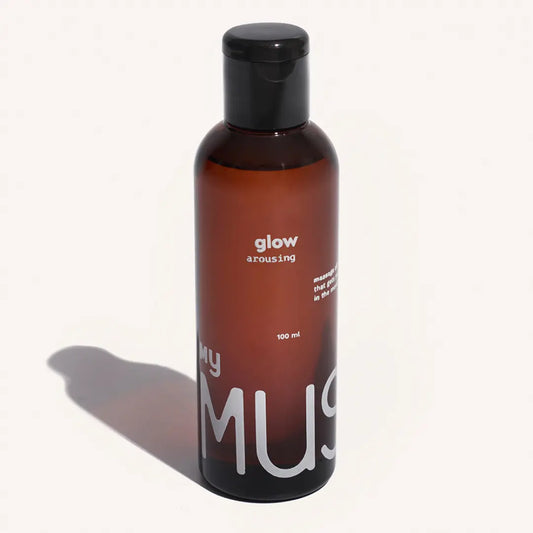
Glow Arousing Sensual Massage Oil
An intoxicating massage oil with pure mogra extract, to ignite sensuality
₹699
↓ price dropped by ₹300
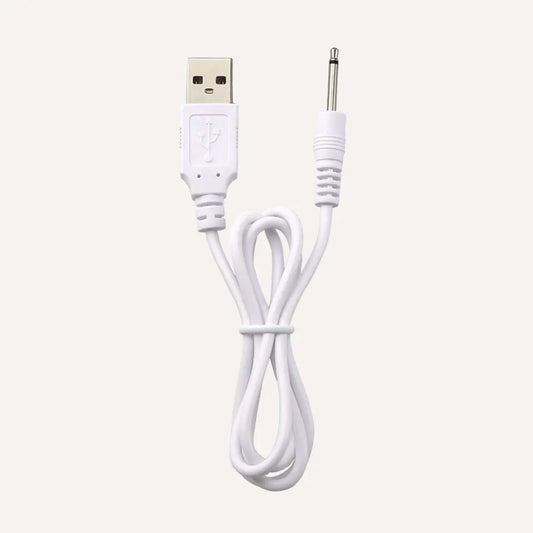
Charging Cable Accessories
This charging cable works for all MyMuse massagers (Pulse, Palm, Groove & Breeze)
₹242
↓ price dropped by ₹8


