



Guides

Intimacy with Chronic Pain: A Practical Couples Guide

Intimacy with Chronic Pain: A Practical Couples Guide - MyMuse Guide

This content is for informational purposes only and does not constitute medical advice. Consult a healthcare professional for personal guidance.

Intimacy with Chronic Pain: A Practical Couples Guide

Living with chronic pain changes how you move through the world—and it often changes how you connect with your partner, too. Maybe you've noticed that the spontaneity you once had feels impossible now. Or perhaps you're worried that your pain makes intimacy more burden than pleasure. Here's something important: you're not alone in this, and your intimate life doesn't have to end because of chronic pain. It just might look different than before. Thousands of couples navigate this together every day, finding new ways to stay connected that honor both desire and physical limits. This guide isn't about pushing through pain or pretending it doesn't exist. It's about practical strategies that actually work—communication tools, position adjustments, timing strategies, and yes, even some products that can help reduce strain. Because intimacy matters, and so does your comfort.

Medical Disclaimer: This article is for informational purposes only and does not replace professional medical advice. If you're experiencing chronic pain or sexual difficulties, please consult with a healthcare provider who can assess your specific situation.

Key Takeaways

  • Chronic pain affects intimacy through physical limitations, fatigue, medication side effects, and emotional impact—but doesn't mean the end of physical connection
  • Communication about pain levels, boundaries, and desires is essential for maintaining intimacy without increasing discomfort
  • Timing intimacy during lower-pain periods, using supportive positions, and adjusting expectations can significantly improve experiences
  • Products like lubricants and personal massagers can reduce physical strain while maintaining pleasure and connection
  • Professional help from pain specialists, physiotherapists, or sex therapists can provide personalized strategies when self-management isn't enough

Understanding How Chronic Pain Affects Intimacy

Chronic pain—whether from arthritis, fibromyalgia, endometriosis, back problems, or other conditions—doesn't just affect the body part that hurts. It creates a ripple effect that touches every aspect of life, including your intimate relationship.

The physical aspects are often most obvious. Certain positions might be impossible or trigger flare-ups. Movement that used to feel good now causes discomfort. Fatigue from managing pain all day leaves little energy for connection. Some medications prescribed for chronic pain can affect arousal, sensation, or desire.

But there's an emotional layer too. Many people with chronic pain worry about being "too much" for their partner. You might feel guilty about turning down intimacy, or anxious about disappointing someone you love. Your partner might feel confused about how to approach you—worried about causing pain but also missing the physical connection you once shared.

Research published in pain management journals consistently shows that couples who communicate openly about these challenges and adapt together maintain satisfying intimate lives. The key word is "adapt"—not push through, not give up, but genuinely adjust to create something that works for your current reality.

What Causes Pain During Intimacy

If you're experiencing pain during intimate activities specifically, several factors might be at work:

Muscle tension and guarding: When you live with chronic pain, your body often develops protective tension patterns. These same muscles might tighten further during intimacy, creating additional discomfort.

Reduced lubrication: Pain medications, hormonal changes, and stress can all decrease natural lubrication, making friction uncomfortable even when arousal is present mentally.

Pelvic floor dysfunction: Conditions like endometriosis, vulvodynia, or general chronic pain can affect the pelvic floor muscles, causing pain with penetration or pressure.

Joint and positioning issues: Arthritis, back pain, or hip problems can make standard positions painful or impossible, turning what should be pleasurable into an exercise in endurance.

Medication side effects: Some pain medications, antidepressants, and other drugs affect sensation, arousal, or physical response—none of which is your fault.

Practical Strategies That Actually Help

Time It Right

Most chronic pain conditions have patterns. You might feel better in the morning after rest, or perhaps evening after your medication kicks in. There's absolutely nothing unromantic about planning intimacy during your lower-pain windows. Think of it as prioritizing something that matters to both of you.

Pro Tip: Keep a simple pain journal for a week or two. Note when your pain is typically lowest and when you have the most energy. Then schedule intimacy during those windows, just like you'd schedule any other important activity.

Communicate Before, During, and After

The couples who navigate this best have developed a language for pain during intimacy. Before you begin, share your current pain level on a simple scale. During intimate time, agree on a signal that means "pause" or "adjust position" without killing the mood. After, check in about what worked and what didn't.

This isn't clinical—it's caring. Your partner can't read your mind, and you shouldn't have to suffer in silence to protect their feelings.

Rethink What Intimacy Means

Penetrative activity is one form of intimacy, but it's not the only one. On high-pain days, sensual massage, mutual touching, or using personal massagers together can maintain connection without physical strain. Some couples find that removing the pressure to have "complete" encounters actually brings back playfulness they'd lost.

Position Modifications

Small adjustments can make enormous differences. Pillows placed under hips or knees change angles and reduce strain. Side-lying positions often work better than those requiring weight-bearing. Positions where the person with pain has full control over depth and speed tend to be more comfortable.

There's no shame in experimenting to find what works. Your body has different needs now, and honoring those needs is how you protect your intimate life long-term.

Address Lubrication Proactively

Even when you're mentally and emotionally aroused, chronic pain and its treatments can affect your body's physical response. Using lubricant isn't a sign that something's wrong—it's a practical tool that reduces friction and discomfort.

Consider Supportive Products

Personal massagers can be helpful for couples dealing with chronic pain because they provide stimulation without requiring repetitive motion that might strain joints or trigger pain. They take the physical work out of the equation while still creating pleasurable experiences together.

When to Seek Professional Help

Self-management strategies work for many couples, but sometimes you need additional support. Consider consulting a healthcare provider if:

  • Pain during intimacy is getting progressively worse despite trying adjustments
  • You experience new or sudden pain during intimate activities
  • Your chronic pain condition is changing or not responding to current treatment
  • Medication side effects are significantly affecting your intimate life
  • You're experiencing relationship strain or emotional distress related to these challenges
  • You suspect a specific condition like endometriosis, pelvic floor dysfunction, or vulvodynia

In India, pelvic floor physiotherapists, pain management specialists, and counselors with training in sexual health can all provide valuable support. You don't have to figure this out entirely on your own.

Products That Can Help

The right products won't solve chronic pain, but they can reduce physical strain during intimate moments and help you maintain connection with less discomfort.

MyMuse Silk: Water-Based Lubricant

Rs 549 Best For: Reducing friction and discomfort

When chronic pain or medication affects natural lubrication, having a body-safe, pH-balanced lubricant removes a major source of discomfort. MyMuse Silk is water-based (which means it's safe with condoms and toys), doesn't contain glycerin or parabens, and actually feels comfortable—not sticky or artificial.

Why We Like It

  • Significantly reduces friction that can worsen pain
  • Body-safe formulation won't cause irritation
  • Makes positions more comfortable by reducing physical resistance
  • Takes pressure off natural arousal response

Keep In Mind

  • May need reapplication during longer sessions
  • Water-based formula requires storage away from heat
View Silk Lubricant

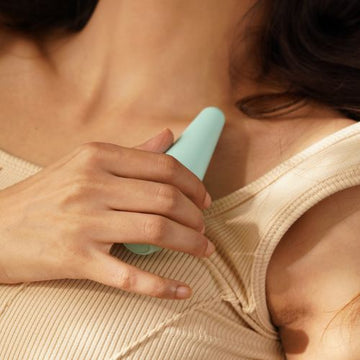
MyMuse Bliss: Compact Personal Massager

Rs 3,499 Best For: Low-strain intimate wellness

For couples where chronic pain limits movement or stamina, a personal massager can maintain pleasurable experiences without requiring repetitive motion that strains joints or triggers pain flare-ups. Bliss is compact, quiet, and has multiple intensity levels so you can find exactly what feels good without overexertion.

Why We Like It

  • Provides stimulation without repetitive hand or wrist motion
  • Multiple intensities let you adjust to current comfort level
  • Can be used together as part of couples intimacy
  • Compact size reduces arm or shoulder strain
  • Rechargeable and body-safe silicone

Keep In Mind

  • Requires charging (plan ahead for spontaneity)
  • May take time to learn what settings work best
View Bliss Massager

What Research Tells Us

Studies on chronic pain and sexual health consistently show a few important patterns. First, chronic pain does affect intimate life for most people—you're not imagining it, and it's not "all in your head." Research published in pain management and sexual health journals shows that 50-80% of people with chronic pain conditions report some impact on their intimate lives.

But here's the encouraging part: studies also show that couples who communicate openly, adjust expectations, and try adaptive strategies report maintaining satisfying intimate lives despite pain. The key factors aren't pain severity—they're communication quality, willingness to adapt, and addressing psychological factors like anxiety or depression that often accompany chronic conditions.

Cognitive-behavioral approaches that address both pain management and sexual wellness show promising results. Pelvic floor physiotherapy helps many people with pain related to pelvic conditions. And importantly, couples therapy or sex therapy specifically addressing chronic pain can provide frameworks that many couples find transformative.

Building Intimacy Beyond the Physical

On days when physical intimacy feels impossible, emotional and sensual connection still matter. Couples who maintain regular non-sexual physical touch—hand-holding, cuddling, massage—report feeling more connected and often find physical intimacy easier when they do engage in it.

Creating rituals of connection that don't depend on pain levels builds relationship resilience. Maybe it's a regular time to talk without distractions, a weekly massage exchange, or simply being present together without pressure to perform.

Frequently Asked Questions

Is it normal for chronic pain to affect my desire for intimacy?

Absolutely. Chronic pain affects desire through multiple pathways—physical exhaustion, medication side effects, hormonal changes, and the psychological weight of managing pain daily. Lower desire isn't a personal failing; it's a normal response to what your body is experiencing. The good news is that desire often responds to changes in pain management, reduced pressure around intimacy, and addressing psychological factors like anxiety or depression. If low desire is distressing you or affecting your relationship, talking with a healthcare provider or therapist who understands chronic pain can help.

How do I talk to my partner about pain during intimacy without hurting their feelings?

Start by choosing a time when you're not trying to be intimate—neutral moments work better than heated ones. Focus on your experience rather than what they're doing "wrong." Try: "I want to stay connected with you, and I need your help figuring out what works with my pain" rather than "You always hurt me." Share specific information: what tends to help, what makes things worse, and what you'd like to try. Most partners feel relieved to finally understand what's happening rather than guessing. If these conversations feel too difficult to have alone, a couples therapist can provide structure and support.

Can personal massagers help when chronic pain makes manual stimulation difficult?

Yes, for many people. Personal massagers provide consistent stimulation without requiring repetitive hand, wrist, or arm movements that might trigger pain or fatigue. They're particularly helpful when arthritis, fibromyalgia, or joint problems make sustained manual activity uncomfortable. The key is choosing body-safe products with adjustable intensity, using adequate lubricant to reduce friction, and communicating with your partner about incorporating them into shared intimacy. They're tools that can help maintain pleasure and connection when your body has different needs than before.

When should I see a doctor about pain during intimacy versus managing it myself?

See a healthcare provider if pain during intimacy is new or suddenly worsening, if you suspect a specific condition like endometriosis or pelvic floor dysfunction, if over-the-counter solutions aren't helping, or if the situation is causing significant relationship distress. Also consult a doctor if your chronic pain condition is changing or not well-controlled. In India, you can start with your general physician, who can refer you to specialists like gynecologists, pain management doctors, or pelvic floor physiotherapists. Self-management strategies work for many people, but professional guidance can identify specific issues and provide targeted treatment.

Are there specific positions that work better with chronic back pain or arthritis?

Generally, positions that don't require weight-bearing on painful joints work best. For back pain, side-lying positions with pillow support often reduce strain compared to positions that arch or twist the spine. For hip or knee arthritis, positions that don't require deep bending or supporting body weight on affected joints tend to be more comfortable. The person with pain being on top often works well because it allows complete control over depth, angle, and speed. But bodies vary—what helps one person might not work for another. Experiment during lower-pain times, use pillows creatively for support, and don't hesitate to ask a physiotherapist for specific suggestions based on your condition.

Moving Forward Together

Living with chronic pain requires constant adaptation, and your intimate life is part of that. The strategies that work will likely evolve as your condition, relationship, and needs change. What matters most isn't finding a perfect solution—it's staying open to communication, being willing to adjust, and remembering that intimacy has many forms.

You're not broken because your body has different needs now. You're navigating something genuinely difficult, and doing so with care for both yourself and your partner. That takes courage and compassion.

Ready to Explore Products That Support Intimacy?

MyMuse offers body-safe, discreetly delivered intimate wellness products designed to support comfort and connection—whatever that looks like for your relationship.

Shop Intimate Wellness
  • 100% Body-Safe Materials
  • Discreet Packaging & Billing
  • Trusted by 3.75L+ Customers
  • 100-Day Warranty
  • 100% Body-Safe Materials (Platinum-Grade Silicone)
  • Discreet Packaging & Billing
  • Trusted by 3.75L+ Customers Across 1,900+ Cities
  • 100-Day Warranty on All Products

Last updated: April 2026

Leave a Comment

Your email address will not be published.

NEWSLETTER
Join Our Partay!

Caution: Not Your Regular Mailing List

Our newsletter gives personalised answers to your most personal q uestions, game-changing tips on how to get better in bed, plus exclusive discounts on our products.

Explore Our Products
50% Off
4.7
| 112 Reviews
Vibrating, ribbed egg massager for deep, internal pleasure
₹2575
₹5149 Sale price ₹2575
↓ price dropped by ₹2574
35% Off
4.6
| 124 Reviews
The ultimate men’s stroker—ultra soft, with 10 vibrations, and easy clean-up
₹2999
₹4649 Sale price ₹2999
↓ price dropped by ₹2324
50% Off
4.8
| 373 Reviews
Flexible, ribbed app-enabled wand for targeted internal and external bliss
₹2325
₹4649 Sale price ₹2325
↓ price dropped by ₹2324
48% Off
4.76
| 457 Reviews
Our top picks for her, with a variety of vibes for you to control!
₹5999
₹11648 Sale price ₹5999
↓ price dropped by ₹5949
51% Off
4.6
| 142 Reviews
Flick’s flutters, Link+’s app control - this kit teases and pleases with every O.
₹5699
₹11648 Sale price ₹5699
↓ price dropped by ₹5949
71% Off
5.0
| 2 Reviews
A long and flexible stroker for men, for a next-level handy experience
₹799
₹2799 Sale price ₹799
↓ price dropped by ₹2000
53% Off
4.7
| 83 Reviews
A compact, durable wand that packs a powerful punch in a small package
₹699
₹1499 Sale price ₹699
↓ price dropped by ₹800
Mobile Image