







How to Use a Personal Massager for Stress Relief

This content is for informational purposes only and does not constitute medical advice. Consult a healthcare professional for personal guidance.
Key Takeaways
- Personal massagers can effectively target muscle tension that builds from daily stress
- Starting with low intensity and gradually increasing helps your body respond better
- Regular 10-15 minute sessions work better than occasional long ones
- Body-safe materials and proper cleaning are essential for wellness use
- Creating a calm environment amplifies the stress-relief benefits
Let's be honest. Stress finds its way into our bodies whether we invite it or not. You might notice it as tightness in your shoulders after a long day at your desk, tension in your neck from endless video calls, or that general feeling of being wound up with nowhere to release it. Personal massagers have become popular wellness tools for good reason: they're accessible, private, and genuinely effective at helping your body let go of accumulated tension. If you're curious but not quite sure where to start, you're in the right place. This guide will walk you through everything you need to know, from choosing the right intensity to creating the kind of relaxing routine that actually fits into your life.
Understanding How Personal Massagers Work for Stress Relief
Before we get into the how-to, it helps to understand what's actually happening. When you're stressed, your muscles contract and hold tension, sometimes for hours or days without you even realizing it. Personal massagers use gentle vibrations to stimulate blood flow and encourage those tight muscles to relax. The rhythmic sensation also has a calming effect on your nervous system, similar to how repetitive movements like rocking or swaying can be soothing.
The beauty of these devices is their versatility. You can use them on your neck, shoulders, lower back, temples, or anywhere else you carry stress. Some people find that using them as part of a wind-down routine before bed helps them sleep better. Others use them during the day for a quick tension reset.
Step-by-Step Guide: Using Your Personal Massager for Maximum Stress Relief
Create Your Relaxation Space
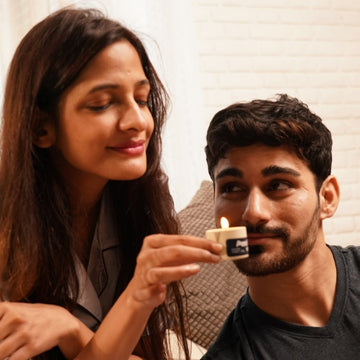
This isn't just about ambiance. Your environment actually affects how well your body releases tension. Find a quiet spot where you won't be interrupted for at least 15 minutes. Dim the lights if possible, or light a candle. Some people like soft music or nature sounds; others prefer complete silence. The key is removing distractions so your nervous system can actually shift into relaxation mode. Put your phone on silent. Lock the door if you need to. This time is yours.
Start with Clean, Dry Skin
Wash the areas you'll be massaging with warm water and mild soap. This removes any lotions, oils, or dirt that could interfere with the massager's surface. Make sure both your skin and the massager are completely dry before starting. (If you're using a waterproof model, you can absolutely use it in the bath or shower. The warm water adds another layer of muscle relaxation.)
Begin at the Lowest Intensity Setting
This is where most people rush and regret it. Even if you think you want strong vibrations, start gentle. Your muscles need time to respond, and beginning too intensely can actually cause them to tense up more. Turn on your massager at the lowest setting and hold it against a tense area: your shoulder, the base of your neck, your lower back. Keep it there for 30-60 seconds, breathing slowly. You'll feel your muscles start to soften.
Use Slow, Circular Motions
Holding the massager in one spot works, but you'll get deeper relief by moving it slowly in small circles. Think of it like kneading dough: gentle, rhythmic, patient. Move along the muscle group rather than jumping around randomly. For example, if you're working on your shoulders, start at the base of your neck and work your way out toward your shoulder joint, then back again. Spend 2-3 minutes on each major tension area.
Gradually Increase Intensity Based on Response
After a few minutes at the lowest setting, your muscles should feel warmer and looser. That's when you can try increasing the intensity one level. Pay attention to how your body responds. If it feels good, like a deep, satisfying release, that's your sweet spot. If it feels uncomfortable or makes you tense up, bring it back down. There's no prize for using the highest setting. The goal is relief, not endurance.
Focus on Your Breath
This sounds simple, but it makes a massive difference. As you use the massager, consciously slow down your breathing. Inhale for four counts, exhale for six. When you exhale, imagine the tension leaving your body through the muscles you're massaging. Shallow, stressed breathing keeps your nervous system on alert; deep, intentional breathing signals safety and allows your body to actually release.
Don't Forget Often-Overlooked Areas
Everyone remembers shoulders and neck, but there are other spots that hold surprising amounts of stress. The muscles along your jaw (especially if you clench or grind your teeth), your temples, the palms of your hands, and the soles of your feet all respond beautifully to gentle vibration. Spend a minute on each of these areas if you have time. You might be surprised where you've been storing tension without realizing it.
End with a Cool-Down Period
When you're ready to finish, don't just turn off the massager and jump back into your day. Gradually reduce the intensity back down to the lowest setting for about a minute, then turn it off. Sit or lie still for another 2-3 minutes, continuing your slow breathing. This helps your nervous system integrate the relaxation response. Drink some water: muscle tension work is surprisingly dehydrating.
Choosing the Right Massager for Your Stress Relief Routine
Not all personal massagers are created equal when it comes to tension relief. You'll want something with variable intensity settings so you can customize the experience to your body's needs on any given day.
Flick
If you're new to personal massagers and want something straightforward, the Flick is an excellent starting point. Its compact size makes it easy to maneuver across your neck, shoulders, and back. The simple controls mean you're not fumbling with complicated settings when you just want to relax. Plus, being waterproof means you can use it in a warm bath, one of the best environments for releasing muscle tension.
₹2,999 Best For: Beginners, straightforward stress reliefGroove+
For those who carry tension in specific knots or trigger points, the Groove+ offers something special. The ribbed texture provides a different kind of stimulation that can help break up stubborn muscle tightness. The curved body makes it easier to reach those hard-to-access spots on your upper back or shoulders without straining. Users often mention how the texture creates a deeper release in chronically tense areas.
₹2,999 Best For: Targeted tension relief, deeper muscle workBreeze
This one's a bit different. The Breeze uses air-pulse technology rather than traditional vibration. For some people, especially those sensitive to intense vibration, the gentler pulsing sensation works better for stress relief. It's particularly good for temple massage or other delicate areas where you want soothing stimulation without intensity. The multiple modes let you find exactly the right rhythm for your relaxation needs.
₹2,199 Best For: Gentle pulsing sensation, vibration-sensitive usersExpert Tips for Getting the Most from Your Stress-Relief Sessions
Consistency Beats Intensity
You'll get better results from three 15-minute sessions per week than one 90-minute marathon session. Stress accumulates gradually, and releasing it works the same way. Think of it like brushing your teeth, regular maintenance prevents bigger problems. Many people find that scheduling their sessions at the same time (like before bed or right after work) helps build a sustainable routine.
Temperature Matters More Than You Think
Cold muscles don't release tension as readily as warm ones. If you're particularly tight, try a warm shower before your massage session, or use a heating pad on the area for 5-10 minutes first. Alternatively, waterproof massagers can be used during a bath, where the warm water does half the work for you. The combination of heat and vibration is genuinely therapeutic.
Listen to Your Body's Resistance Points
Sometimes you'll find a spot that makes you want to pull away, not because it hurts, but because there's so much tension stored there that your body resists releasing it. When you find these spots, that's actually where you need to spend more time, but gently. Keep the intensity low and stay with it, breathing deeply. You might feel emotional (tension and stress often have emotional components), and that's completely normal. Let yourself feel whatever comes up.
Combine with Other Stress-Relief Practices
Personal massagers work beautifully alongside other wellness practices. Try using yours after yoga or stretching. Your muscles will already be warm and more receptive. Some people use them during meditation or breathing exercises, focusing on one tense area while practicing mindfulness. Others find that journaling after a massage session helps process whatever feelings or insights came up during the physical release.
Common Mistakes to Avoid
Using Too Much Pressure
The massager itself provides the therapeutic effect. You don't need to press it hard against your skin. Light to medium contact works best. Pressing too firmly can actually bruise delicate tissue and create more tension. Let the vibrations do the work.
Skipping the Warm-Up
Jumping straight to high intensity is like trying to sprint before stretching. Your muscles need gradual introduction to the stimulation. Those first few minutes at low intensity aren't optional. They're what allows the deeper work to happen safely and effectively.
Neglecting Proper Cleaning
Body-safe materials need proper care. After each use, clean your massager with mild soap and warm water (or a dedicated toy cleaner). Let it air-dry completely before storing. This isn't just about hygiene. It's about respecting the tool that's helping you care for your wellbeing. Proper maintenance also extends the life of your device significantly.
Expecting Instant Miracles
If you've been carrying tension for months or years, one session won't erase it all. That's okay. You should feel some immediate relief, looser muscles, calmer mind, deeper breathing, but the deeper benefits build over time. Give yourself at least two weeks of regular use before deciding whether it's working for you.
Creating a Sustainable Stress-Relief Routine
The most effective wellness practices are the ones you'll actually maintain. Start small, maybe just one 10-minute session before bed, twice a week. As it becomes habit, you can add more sessions or extend the time. Keep your massager somewhere accessible (but private), not buried in a drawer where you'll forget about it.
Some people find it helpful to pair their massage routine with another established habit. After your evening shower, perhaps, or right before your bedtime reading. These habit stacks make the new practice feel more natural and less like another item on your to-do list.
The Bottom Line
Personal massagers are genuinely effective tools for stress relief when used thoughtfully and consistently. The key is approaching them as part of a broader self-care practice, not a quick fix. Start gentle, be patient with your body, and pay attention to what feels relieving versus what feels like you're just going through motions. Your stress didn't build up overnight, and releasing it is a practice, one that gets easier and more effective the more you do it.
Frequently Asked Questions
How long should a stress-relief massage session last?
For most people, 10-20 minutes is the sweet spot. This gives you enough time to work through major tension areas without overdoing it. If you're particularly stressed or working on multiple body parts, you can extend to 30 minutes, but take breaks between areas. Quality matters more than duration, a focused 15-minute session with proper technique beats an hour of distracted use.
Can I use a personal massager every day?
Yes, daily use is generally safe for stress relief, especially at lower intensities. Listen to your body though, if an area feels tender or overstimulated, give it a rest day. Many people find that daily 10-minute sessions work better than less frequent longer ones. Just like you wouldn't skip brushing your teeth, regular tension release becomes part of maintaining your overall wellbeing.
What if I don't feel immediate relief?
Some bodies respond quickly, others need time to learn how to release tension. If you're not feeling much after your first few sessions, try adjusting your approach: slow down your movements, spend more time on each area, focus more intentionally on your breathing, or try different intensity levels. Also consider whether you're truly relaxed during the session or still mentally stressed, your mind and body work together. Give it at least a week or two of consistent practice before deciding it's not working.
Are there areas I should avoid?
Avoid using personal massagers directly on your spine, over broken skin or wounds, on areas with inflammation or infection, or anywhere that causes sharp pain (as opposed to the good kind of muscle-release discomfort). If you have specific health conditions, especially circulatory issues or nerve disorders, check with your healthcare provider first. Stick to muscle groups, shoulders, neck, back, legs, arms, where tension naturally accumulates.
How do I know which intensity level to use?
The right intensity is the one that feels deeply relieving without causing discomfort or making you tense up. Start low and increase gradually. You should feel like your muscles are melting and releasing, not clenching against the sensation. On days when you're particularly stressed, you might need to stay at lower intensities longer. On days when you're less tense, you might be able to use higher settings comfortably. There's no universal "correct" setting. It changes based on your body's needs that day.
Final Thoughts
Your body carries more than you realize: not just physical weight, but emotional stress, mental exhaustion, all the things you push through daily. Personal massagers offer a tangible way to help your body let go of what it's been holding. They're not magic, but used with intention and patience, they're remarkably effective. Start where you are, be kind to yourself as you learn what works for your particular brand of stress, and remember that taking 15 minutes for your own physical comfort isn't indulgent. It's necessary. You deserve to feel relaxed in your own body.
Ready to Start Your Stress-Relief Routine?
Explore our collection of body-safe personal massagers designed with your wellness in mind. All products come with discreet packaging, a 100-day warranty, and guidance to help you get started.
Check It Out- 100% Body-Safe Materials
- Discreet Packaging & Billing
- Trusted by 3.75L+ Customers
- 100-Day Warranty
- 100% Body-Safe Materials (Platinum-Grade Silicone)
- Discreet Packaging & Billing
- Trusted by 3.75L+ Customers Across 1,900+ Cities
- 100-Day Warranty on All Products
Last updated: April 2026
Prices checked on 03 Oct 2026 on mymuse.in.