







Erotic Massage Guide for Couples: Techniques and Tips

This content is for informational purposes only and does not constitute medical advice. Consult a healthcare professional for personal guidance.
Here's something most couples won't tell you at brunch: the average intimate moment lasts anywhere from three to thirteen minutes. And while there's absolutely nothing wrong with that, sometimes you want something... different. Something slower. Something that makes your skin wake up in ways you didn't know it could. That's where massage comes in, not the kind you get at a spa (though those are lovely), but the kind that turns anticipation into an art form. The kind where every touch is intentional, where you're not rushing toward anything, just exploring what feels good. And here's the best part: you don't need special training or a degree in anything. You just need curiosity, some time, and the willingness to pay attention to what makes your partner's breath catch.
Key Takeaways
- Sensual massage builds intimacy through focused touch and presence, not performance or specific outcomes
- Setting matters enormously, lighting, temperature, and uninterrupted time create the right environment
- Communication before, during, and after helps you both discover what actually feels good (which often surprises people)
- Body-safe oils and tools designed for intimate use make the experience smoother and more comfortable
- The goal isn't a specific destination. It's about creating space where both people feel safe to explore sensation
Why This Kind of Touch Matters More Than You Think
We're constantly touching our phones, our keyboards, our steering wheels. But when was the last time you touched another person, really touched them, with full attention? Not a distracted shoulder rub while watching TV, but deliberate, unhurried contact where you're noticing texture and warmth and the way skin responds?
Researchers studying long-term relationships have found something interesting: couples who maintain non-goal-oriented physical intimacy (touch that isn't leading somewhere specific) report higher satisfaction overall. It's not about frequency of intimate moments. It's about variety and presence. When you slow down enough to explore sensation for its own sake, you're essentially telling your partner "I'm here with you, nowhere else matters right now."
In India, we're brilliant at grand gestures: elaborate weddings, thoughtful festivals, carefully chosen gifts. But everyday intimacy? That's trickier territory. Many of us didn't grow up seeing our parents hold hands or talk openly about physical affection. So we're figuring this out as we go, which is completely fine. You're not behind; you're just starting.
Creating the Right Environment (This Part Actually Matters)
You can't relax if you're worried about your flatmate walking in or if the room feels like a refrigerator. Basic logistics make or break the experience.
Temperature first: you want the room warm enough that your partner won't get goosebumps when they're undressed. If you're using oil, cold hands on bare skin aren't exactly romantic. A space heater helps, or just wait for a naturally warm evening.
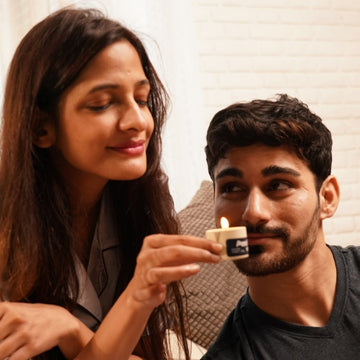
Lighting comes next. Harsh overhead lights kill the mood faster than anything. You want soft, indirect light: a lamp covered with a scarf, candles if you're careful about ventilation, or just the glow from a hallway. Enough to see what you're doing, not enough to make anyone feel self-conscious.
Surface matters too. Your bed might seem obvious, but it's often too soft for good massage. A firm mattress on the floor works better, or thick blankets layered on the ground. Put down a towel you don't mind getting oily. Massage gets messy, and that's part of the fun.
The Actual Technique (Less Complicated Than You Think)
Forget everything you've seen in movies. This isn't about perfectly choreographed moves or knowing exactly where to touch. It's about curiosity and responsiveness.
Start with a warmup that has nothing to do with "intimate" areas. Shoulders, back, arms: places where people hold tension they don't even realize. Use your whole hand, not just fingertips. Firm pressure first (light tickly touches can be irritating rather than pleasant). Pay attention to how your partner breathes. When you hit a spot that feels good, you'll feel their body soften or hear their breath deepen. Stay there. Repeat what works.
Oil makes everything better. Dry hands create friction; oiled hands create glide. You want something body-safe, unscented or lightly scented (strong fragrances can be overwhelming), and easy to wash out of sheets later. Pour it into your palms first to warm it up, cold oil straight from the bottle is a mood killer.
As you move to more sensitive areas, slow down even more. The inner thighs, lower belly, chest, these places respond to lighter pressure. Vary your touch: long strokes, circular motions, gentle kneading. Ask questions. "Does this feel good?" "More pressure or less?" "Should I keep going or move on?" Communication isn't clinical; it's caring.
Set Clear Intentions Together
Before anyone gets undressed, talk about what you're both hoping for. Is this about relaxation? Exploration? Building arousal slowly? Knowing the general direction helps both people relax into the experience rather than wondering "what's supposed to happen next?"
Start Fully Clothed
Begin with a shoulder or foot massage while your partner is still dressed. It eases you both into the rhythm of giving and receiving touch without any pressure. Once you're both relaxed, transition to removing clothing gradually.
Work From Less to More Sensitive
Begin with back, shoulders, arms. Move to legs and feet. Only later shift to chest, inner thighs, and more intimate areas. This gradual progression builds anticipation naturally without rushing.
Check In Regularly
Every few minutes, pause and ask "how's the pressure?" or "want me to stay here or keep moving?" These small check-ins keep you connected and prevent anyone from silently enduring something that doesn't feel good.
Switch Roles Mindfully
If you're planning to take turns, decide in advance whether you'll switch partway through or one person goes first completely. Both work; just agree beforehand so nobody's wondering when it's their turn.
Tools That Actually Help (Not Just Gimmicks)
Your hands are the main event, but a few thoughtfully chosen tools can add variety and save your hands from cramping during longer sessions.
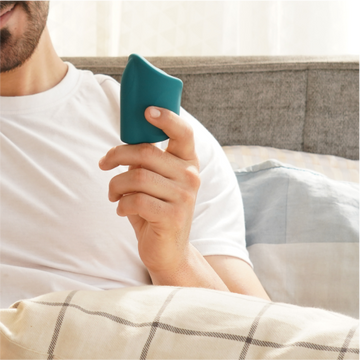
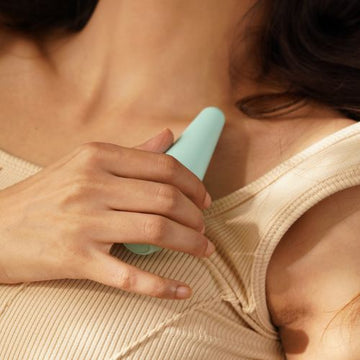
Personal massagers designed for wellness use can be incredibly helpful for muscle tension, the kind of knots in shoulders and lower back that your thumbs alone can't quite reach. Run it along the spine, across shoulders, down the outer thighs. The vibration creates sensation your hands alone can't replicate.
But here's the thing: introduce tools gradually, after you've already established connection through touch. They're an addition, not a replacement for presence and attention.
Body-safe massage oils matter more than you'd think. You want something that stays slick without getting sticky, absorbs slowly, and won't irritate sensitive skin. Coconut oil works in a pinch, but specialized intimate massage oils are formulated to be compatible with body-safe materials and won't break down certain types of wellness devices if you're incorporating them.
What Nobody Mentions (But Everyone Wonders)
First time doing this feels awkward. That's normal. You're figuring out logistics, wondering if you're doing it "right," possibly feeling self-conscious about your body or your technique. All of that settles with practice.
Sometimes massage leads to arousal and sometimes it doesn't. Both outcomes are completely fine. The moment you decide "this has to end a specific way," you've added pressure that works against the entire point. Stay present with what's actually happening rather than what you think should happen.
Your partner might get aroused and then the sensation might fade and then return again. That's how bodies work. Arousal isn't linear, and that's especially true for many women. Don't take it personally if your partner seems really into something and then wants you to move to a different area. You're exploring, not performing.
Communication can feel clunky at first. "A little to the left" or "lighter pressure" might seem to break the mood, but actually it builds trust. You're showing each other that you care more about actual pleasure than maintaining some silent mysterious vibe.
The India-Specific Conversation We Should Have
If you're ordering products to enhance these experiences, discreet delivery matters. Most of us aren't ready to explain intimate wellness purchases to nosy building security or family members who happen to be visiting when a package arrives. Reputable brands understand this: plain packaging, neutral billing descriptions, delivery timing you can control.
Storage is another practical consideration. You probably don't want these items visible on your bedside table if you have household help or frequent guests. A simple locked drawer or box keeps things private without making you feel like you're hiding something shameful. You're not. You're just maintaining appropriate boundaries.
Many Indian couples are navigating this without having seen healthy models of physical intimacy growing up. You're not weird for feeling uncertain or for needing to explicitly discuss things that might seem "obvious" in other contexts. You're actually doing the work of creating something intentional rather than just repeating patterns.
Common Questions Answered
How long should a couples massage session last?
Anywhere from 20 minutes to an hour, depending on what you're both comfortable with. First-timers often do better with shorter sessions, 20-30 minutes, so nobody gets tired or self-conscious. As you get more comfortable, you can extend the time. The key is setting aside enough time that neither person feels rushed, even if you end up only using half of it.
What if I don't know where or how to touch my partner?
Start with simple questions: "Would you like me to start with your back or your feet?" or "Show me where you're holding tension today." Let your partner guide you initially. Pay attention to their breathing and body language, when you touch somewhere that feels good, you'll notice them relax or lean into your touch. It's less about knowing secret techniques and more about being attentive and willing to adjust based on feedback.
Is it okay to use regular massage oil for intimate areas?
Body-safe massage oils designed for intimate use are your best option because they're formulated to be compatible with sensitive skin and won't disrupt natural pH balance. Regular massage oils can work for non-genital areas, but avoid anything with strong fragrances, menthol, or ingredients you can't pronounce. Coconut oil is a common household option, though it's not compatible with certain materials in wellness devices, so check product guidelines first.
What if one partner gets aroused and the other doesn't?
Completely normal and nothing to stress about. Bodies respond differently to the same touch, and arousal isn't something you can force or should expect to mirror perfectly. If this happens, just acknowledge it without judgment: "I'm really enjoying this closeness even though I'm more relaxed than aroused right now" or whatever's true. The goal is connection and sensation, not identical responses. Sometimes massage is relaxing, sometimes it's arousing, sometimes it's both at different moments.
How do we incorporate personal massagers without it feeling mechanical?
Introduce them after you've already established connection through manual touch. Use them as one element among many: spend time with your hands, then bring in a device for a few minutes, then return to manual touch. Communicate about settings and pressure just like you would with hand techniques: "How does this feel?" and "Want me to move it or keep it here?" The device is just another way of creating sensation; your presence and attention are what keep it feeling connected rather than mechanical.
What if we feel awkward or start laughing during the massage?
Laugh. Seriously. Awkwardness and giggles are completely normal, especially when you're trying something new. The goal isn't to maintain some perfectly serious sensual atmosphere. It's to connect and explore together. Some of the best intimate moments include laughter. If something feels silly or if you accidentally tickle your partner or if you can't figure out a comfortable position, just acknowledge it and adjust. Intimacy includes humor, not just intensity.
The Bottom Line
Sensual massage isn't about perfect technique or knowing exactly what to do. It's about creating space where touch becomes the entire focus: no distractions, no rushing, just attention and exploration. You'll probably feel awkward the first time. You'll definitely need to communicate more than you expect. And that's exactly how it should be. This isn't a performance; it's a conversation conducted through touch, where both people get to discover what feels good without pressure or expectation. Start simple, stay curious, and let the experience unfold at whatever pace feels right for both of you.
Ready to Explore Touch Differently?
Browse body-safe massage oils, personal massagers designed for couples, and everything you need to create your own intimate wellness practice, delivered discreetly to your door.
Explore the Range- 100% Body-Safe Materials
- Discreet Packaging & Billing
- Trusted by 3.75L+ Customers
- 100-Day Warranty
- 100% Body-Safe Materials (Platinum-Grade Silicone)
- Discreet Packaging & Billing
- Trusted by 3.75L+ Customers Across 1,900+ Cities
- 100-Day Warranty on All Products
Last updated: April 2026