






How Dry January Affects Your Sex Life (Spoiler: It Gets Better)

This content is for informational purposes only and does not constitute medical advice. Consult a healthcare professional for personal guidance.
Key Takeaways
- Alcohol lowers inhibitions but simultaneously impairs physical arousal and sensation
- People who quit drinking for a month consistently report improved sexual function and satisfaction
- Sober sex feels more intense because your nervous system is fully present and responsive
- The initial awkwardness of sober intimacy fades within days as confidence builds
- Long-term moderate drinkers often do not realise how much alcohol was dulling their intimate experiences
Here is an irony that nobody discusses at the bar: the substance most people use to feel more comfortable with intimacy is the same substance that makes the intimacy itself measurably worse. Alcohol lowers inhibitions: this is true and well-documented. But it simultaneously impairs arousal, reduces genital blood flow, blunts sensation, disrupts hormonal balance, and interferes with the neurochemical processes that produce orgasm.
People who participate in Dry January, or any extended period without alcohol, consistently report a surprising side effect: their sex life improves. Not marginally. Noticeably. The combination of better sleep, restored hormonal balance, increased body awareness, and the novel vulnerability of sober intimacy creates experiences that many people describe as revelatory.
What Alcohol Actually Does to Intimacy
Physical Effects
- Reduced blood flow: Alcohol is a vasodilator that paradoxically reduces blood flow to the genitals. For men, this means difficulty achieving or maintaining erections. For women, it means reduced clitoral engorgement and vaginal lubrication.
- Blunted sensation: Alcohol depresses the central nervous system, dulling nerve responses throughout the body. What would feel intensely pleasurable sober may barely register after several drinks.
- Hormonal disruption: Chronic alcohol consumption suppresses testosterone production in all genders. Even moderate, regular drinking can measurably lower the hormone most directly linked to desire.
- Impaired orgasm: Alcohol delays or prevents orgasm by interfering with the neuromuscular coordination required for climax. The phenomenon of trying and failing to orgasm while intoxicated is extremely common and entirely physiological.
Psychological Effects
- Impaired communication: While alcohol can make it easier to initiate intimacy, it makes it harder to communicate effectively during intimacy. Slurred, imprecise communication misses the nuance that good sex requires.
- Consent complications: Alcohol impairs judgment and the ability to give or read consent, a serious ethical and legal concern that is systematically underaddressed.
- Emotional disconnection: Alcohol numbs emotional as well as physical sensation. The emotional depth that makes the difference between physical contact and genuine intimacy is diminished.
What Happens When You Stop
Week 1: The Adjustment
The first sober intimate encounter can feel vulnerable. Without alcohol to smooth the edges, you are fully present, which means fully aware of your body, your partner, and the situation. This awareness can feel uncomfortable initially. It can also feel exhilarating.
Week 2-3: Restored Sensation
As the nervous system recalibrates, people consistently report heightened sensation. Touch feels more vivid. Arousal builds more naturally. The body responds faster and more fully because the depressant is no longer dampening the signals.
Week 4: The New Normal
By the end of a month, most people report: better erections, improved lubrication, more intense orgasms, higher desire (testosterone levels begin to recover), and, perhaps most significantly, a deeper sense of connection with their partner.
Making Sober Intimacy Work
- Acknowledge the awkwardness. Say it out loud: "This feels different without drinks, but I want to try." Naming the discomfort defuses it.
- Start with non-sexual connection. Cook dinner together, take a walk, have a genuine conversation. Build the emotional connection that alcohol was substituting for.
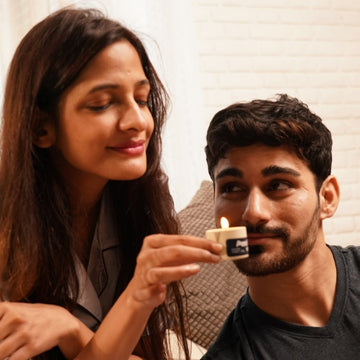
- Create atmosphere. Candles, music, a MyMuse Melt Candle, the sensory environment that alcohol was numbing you to becomes richly available when you are sober.
- Slow down. Without alcohol rushing you past the transition from daily life to intimate encounter, let the transition happen naturally. More foreplay, more conversation, more build-up.
Frequently asked questions
Does one drink really affect sexual performance?
One drink has minimal effect for most people. The threshold where alcohol begins to impair function is typically 2-3 drinks, though this varies by body weight, tolerance, and speed of consumption. The problem is that social drinking rarely stops at one, and the "loosening" effect people seek requires enough alcohol to simultaneously impair the physical experience.
Will my sex life permanently improve if I stop drinking?
The physical improvements (hormonal recovery, restored sensation, better arousal) typically persist as long as the reduction or cessation continues. The psychological improvements (better communication, deeper connection, increased vulnerability) are skills that, once developed, remain even if moderate drinking resumes. The most lasting change is realising that you do not need alcohol for good intimacy.
Is "whiskey dick" a real thing?
Yes. The colloquial term describes alcohol-induced erectile difficulty, which is a well-documented pharmacological effect. Alcohol depresses the central nervous system and reduces blood flow to the penis. It is dose-dependent, more alcohol, more difficulty. It is also temporary, resolving once blood alcohol levels drop.
Does this apply to wine as well as spirits?
Alcohol is alcohol, regardless of its source. The same volume of ethanol produces the same physiological effects whether it comes from wine, beer, or spirits. The cultural association of wine with romance does not exempt it from the pharmacological reality. Two glasses of wine contain the same alcohol as two shots of whiskey.
How do I suggest sober intimacy to my partner without it being weird?
Frame it as an experiment: "I have been reading about how sober sex is supposed to feel different. Want to try it this weekend?" The curiosity framing makes it an adventure rather than a judgment. Most partners, once they experience the difference, become enthusiastic converts.
- Trusted by 3.75L+ Readers
- Expert-Backed Guidance
Designed for Real Bodies
Explore MyMuse's range of intimate wellness products, because pleasure is best experienced fully present.
Explore the RangeLast updated: April 2026